Best Sources for Dried Botanicals Wholesale

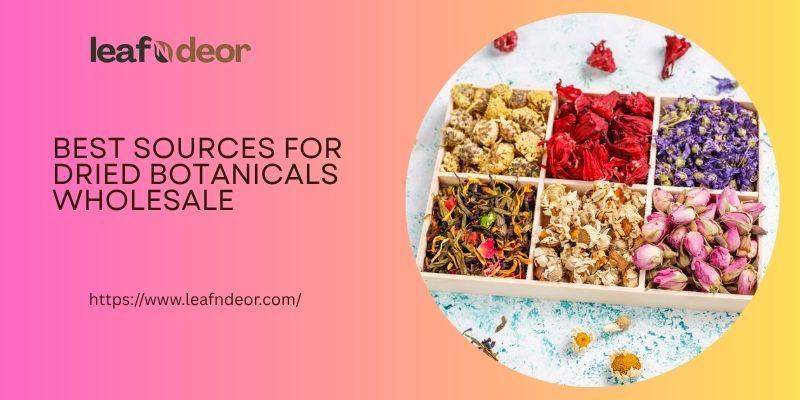
Leafndeor understands one simple truth: sourcing quality botanicals can make or break a product line. Whether you run a home décor brand, event business, gifting store, or floral supply company, choosing the right wholesale source matters more than most people realize.
If you are searching for reliable Dried Botanicals Wholesale options, you’re probably balancing quality, consistency, pricing, and supply chain reliability all at once. And honestly, that’s not easy. The global floral market continues to expand, with preserved and dried arrangements becoming increasingly popular due to sustainability and longer shelf life. According to Grand View Research, demand for sustainable décor products is steadily rising, especially across retail and hospitality sectors.
So where should businesses source dried botanicals from? Let’s explore the best options.
Why Source Quality Matters?
Dried botanicals may look simple—flowers, grasses, stems, and preserved foliage. But behind every beautiful arrangement lies careful harvesting, drying, storage, and packaging. Poor-quality products fade quickly, shed excessively, or lose shape during shipping.
For B2B and B2C businesses, sourcing impacts:
Product quality and customer satisfaction
Profit margins
Brand reputation
Repeat orders and long-term partnerships
In short, better sourcing creates better business outcomes.
Best Sources for Dried Botanicals
1. Specialized Wholesale Manufacturers
This is often the most reliable route. Dedicated manufacturers focus entirely on drying, preserving, and packaging botanicals at scale. They usually offer better quality control and wider variety than generic suppliers.
Look for suppliers offering:
Bulk ordering options
Consistent inventory
Export-grade packaging
Custom product selection
Manufacturers are especially useful for retailers, wedding planners, and export businesses needing dependable supply throughout the year.
2. Direct Farm Partnerships
Buying directly from farms can reduce middleman costs. Some farms specialize in dried lavender, pampas grass, eucalyptus, bunny tails, and other trending décor botanicals.
This sourcing model works well if your business values traceability and eco-conscious sourcing.
According to the USDA, supply chain transparency increasingly influences buyer decisions, especially in lifestyle and home décor sectors.
3. Exporters from Major Botanical Regions
Certain countries dominate dried flower production because of climate, cultivation expertise, and lower processing costs. India, the Netherlands, and parts of Southeast Asia are particularly strong sourcing regions.
Why exporters matter:
Competitive pricing
Large-scale availability
Global shipping support
Seasonal variety
For scaling businesses, exporters can become long-term sourcing partners.
What to Check Before Choosing a Supplier?
Not every supplier is worth trusting. A low price may look attractive initially, but poor quality often costs more later through refunds and damaged reputation.
Evaluate suppliers using this checklist:
Product Quality: Are colors natural and consistent?
Drying Method: Air-dried, preserved, or silica processed?
Packaging: Is it moisture-resistant?
MOQ: Does the minimum order fit your business?
Delivery Timeline: Can they handle urgent bulk orders?
A practical tip? Always request samples before placing large orders.
Why Businesses Prefer Trusted Wholesale Suppliers?
Midway through growth, many brands stop buying from random marketplaces and shift toward a professional Dried Flowers Wholesale Supplier. The reason is simple: consistency.
Imagine preparing 500 wedding centerpieces and discovering half your pampas grass shipment arrived damaged. That’s a nightmare no business owner wants.
Trusted suppliers reduce operational risk by offering predictable quality and inventory planning.
Additional SEO-friendly sourcing terms to consider include:
bulk dried flowers
preserved flowers supplier
wholesale floral décor
Red Flags You Should Never Ignore
Some warning signs are easy to miss, especially for new buyers.
No clear product images
Unclear shipping policy
No sample availability
Large price fluctuations
Poor communication
If a supplier struggles with communication before payment, things rarely improve afterward.
How Leafndeor Supports Growing Businesses?
Leafndeor focuses on quality-driven botanical sourcing for businesses that need style and reliability together. From decorative dried stems to premium floral materials, the goal is simple—deliver products that help brands create memorable customer experiences.
Whether you’re supplying hotels, boutiques, wedding planners, or online stores, strong sourcing helps you stay competitive in a growing market.
Frequently Asked Questions
What are dried botanicals used for?
Dried botanicals are commonly used for home décor, weddings, gifting, floral arrangements, retail displays, and craft projects.
How long do dried botanicals last?
With proper storage away from moisture and direct sunlight, dried botanicals can last from 1 to 3 years or longer.
Why buy dried botanicals wholesale?
Wholesale purchasing reduces per-unit cost, improves inventory planning, and ensures consistent product quality for businesses.
How do I choose the best supplier?
Look for quality assurance, sample availability, shipping reliability, pricing transparency, and strong customer support.
Final Thoughts
The best source for dried botanicals depends on your business goals, order volume, and quality standards. But one thing remains constant—reliable sourcing builds stronger brands. Choose suppliers who value consistency, communication, and craftsmanship, and your business will benefit in the long run.
Full Audio Version: Click Here


Comments